


Making a Garden Where There Once was Lawn

Updated: Jan 29
Are you a beginner gardener and it seems a bit daunting? In this post I'll go through everything you need to do to have a successful garden. This post I'll be writing about inground gardening. In later posts I'll go into container gardening and raised bed gardening.
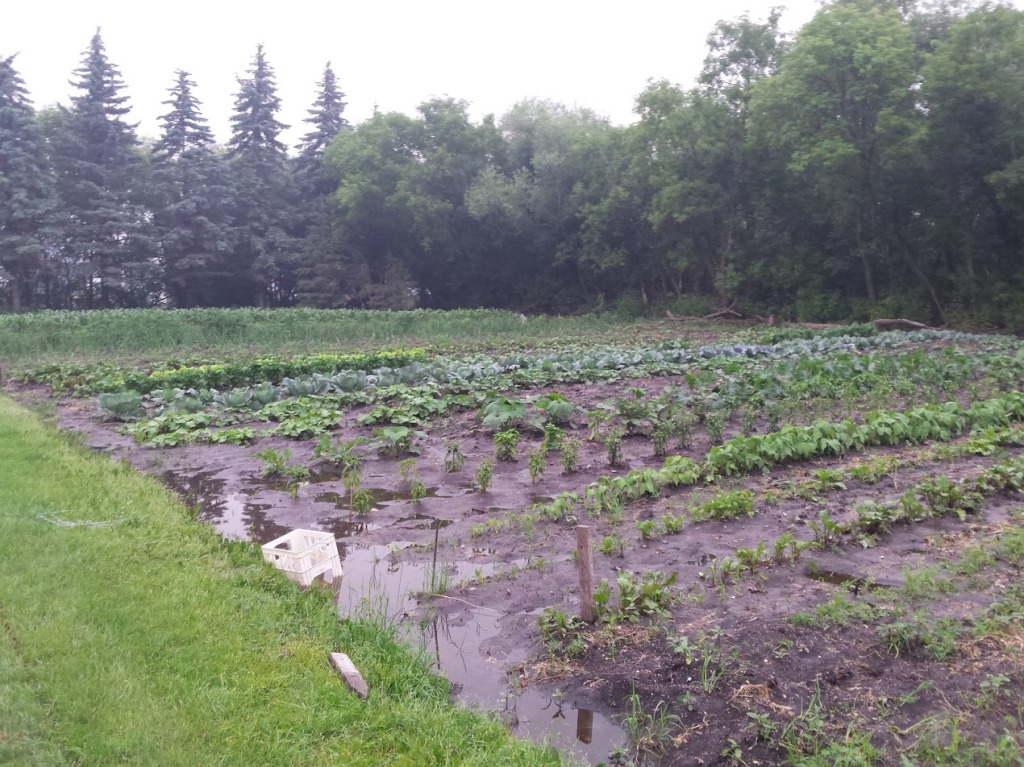
Step 1 is finding the perfect spot to have the garden, if you have the perfect spot all ready to go skip down to the other steps. You want to make sure your garden gets a lot of sunlight, at least 6 or more hours of sun a day. How accessible to water is it? Are there tons of tree roots that will make breaking the ground tough to impossible to breakdown? Is there adequate drainage?
Step 2 now that you have the perfect spot picked out you need to measure out how much garden you need. This is where making a map/plan is really helpful. In this post I explained the various spacing requirements for vegetables. The two files I have attached are a map I have made for what I consider to be the perfect garden and a list of what is on the map. Other things to consider when making a plan is how much of a vegetable do you need. One thing you will note on my map is I don't include much from the brassica family. The brassica family tends to attract a lot of bugs, like cabbage worms and flea beetles. I strongly dislike bugs in the garden. I also didn't include sweet corn because the amount of space it needs for proper pollination.
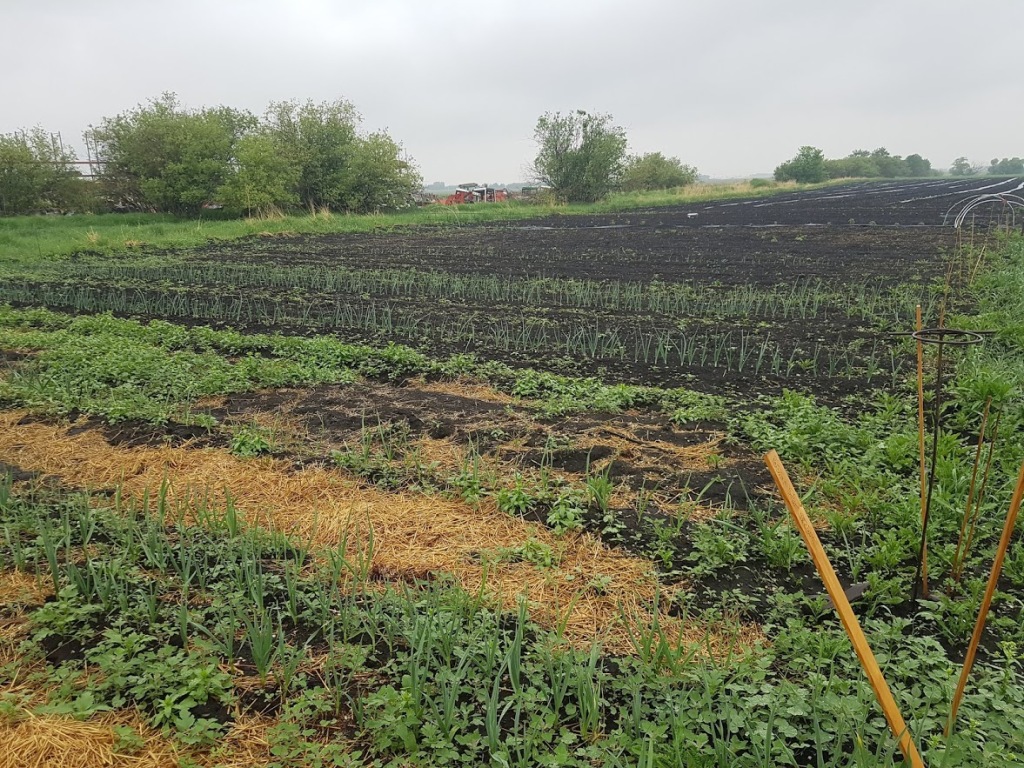
One thing you will note on my map is that I do 3 feet between rows. I did this for simplicity sake, as I sometimes do a walk behind tiller width apart and sometimes 3 feet apart. It all depends on how big the plants get. Carrots, beets, and onions I do 3 row blocks. One row, than 8 inches space (my stir up hoe, plus 2 inches to take into account vegetable widths), than another row, than 8 inches, and finally one more row. I do blocks to maximize space. A 3 row block allows me to hoe and weed easily without stretching too much. When considering row widths consider are you going to till, do you want to pull a wagon through the rows, easy of weeding (I crawl down the rows to weed), or do you want everything as compact as possible, but still allowing adequate air flow and space for the plants to grow..
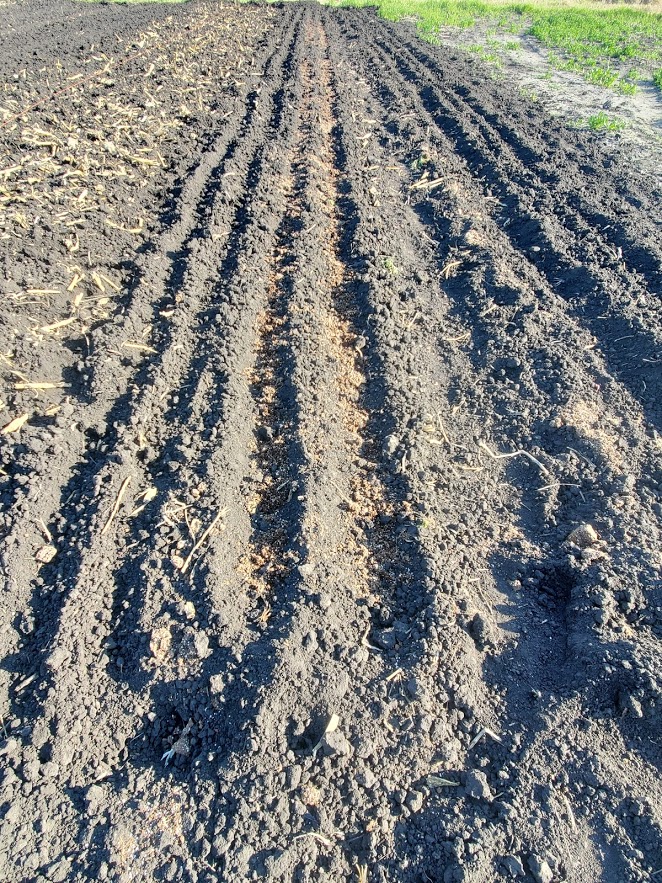
Step 3 everything is measured and now you either need to spruce up the barren ground or kill the grass. The easiest way to kill grass is using a herbicide, but it is terrible for the environment. Luckily there are many other ways to kill grass. One way is to use solarization.
Solarization: Is a fancy way of saying using the sun to kill the lawn. Method one is if you have a bare patch of dirt that hasn't been used in years. Method two is if you need to kill the grass to get bare dirt. Method 1 or method 2. Solarization can take a few weeks to a couple of months to completely kill the grass. Once the ground has been solarized you can either broadfork the dirt or till it. If you don't have a garden space and want to this year and are planning on using the solarization method I would put down the plastic as soon as you can see the lawn. In Manitoba that would give you 4-8 weeks of solarization before planting in the garden (there are quite a few people who wait til the 2 week of June to put in their gardens).
Step 4 if you can afford it and/or find a place I would recommend getting the soil testing. This will let you know what nutrients are lacking and what you need to add or you might have the perfect soil. Otherwise I would add a little bit of compost and you are good to go.
Now you just have to wait til the weather is "stable" and there is no risk of frost, than you are good to go and put the garden in.


Comments